Why Housing and Support Matter for Justice Involved Individuals After Incarc. eration

Updated: Oct 5
Walking out of prison should feel like freedom. For many people, it feels more like stepping into a world that has moved on without them.
A person who has been incarcerated for 10, 15, or 20 years may return to a society where basic tasks now require a smartphone, an email address, a bank card, online forms, two-factor authentication, and transportation they do not have. Things many people use without thinking can become barriers in the first days home.
Finding a place to sleep. Replacing an ID. Applying for Medicaid or food assistance. Reading a bus app. Using a self-checkout machine. Scheduling a doctor’s visit. Explaining a gap in work history. These are not small details when someone is trying to rebuild a life.
That is why housing and support are not extras. They are the foundation for successful reentry. Without them, justice-involved individuals face a steep climb at the exact moment they need stability most.
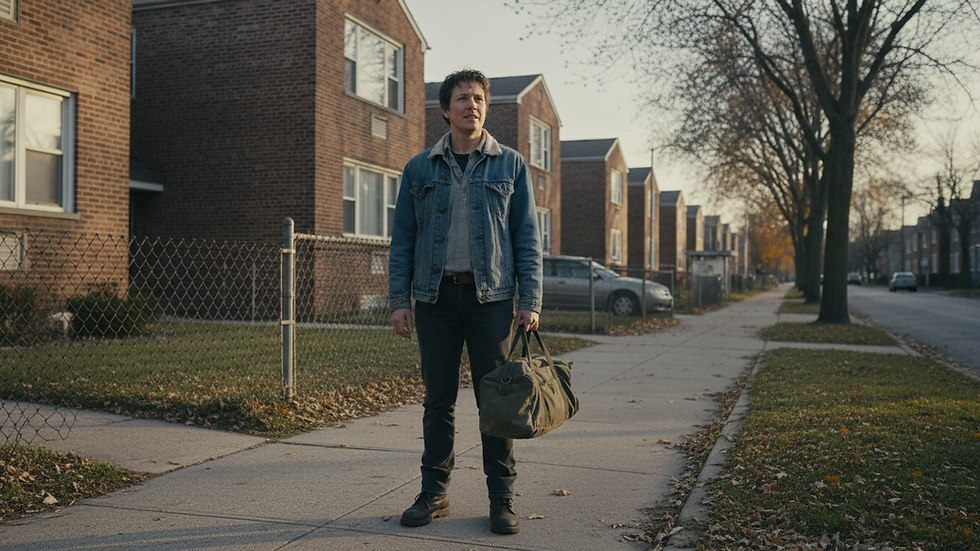
Reentry Begins with the Basics Most People Take for Granted
Many people leave incarceration with very little. Some have no stable home to return to. Some have strained family relationships. Some return to communities where rent has risen, shelters are full, and landlords screen out applicants with criminal records.
At the same time, they may need to meet strict supervision rules. That can include curfews, appointments, drug testing, job searches, treatment requirements, and travel limits. Missing one appointment can create serious consequences, even when the reason is practical and preventable.
A safe place to live affects almost every part of reentry:
Sleep: Rest makes it easier to think clearly, manage stress, and make good decisions.
Storage: People need a safe place for identification, medication, clothes, and paperwork.
Communication: A stable address helps with benefits, job applications, court notices, and medical care.
Routine: Housing makes it possible to build daily patterns that support work, treatment, and family connection.
Without housing, every task becomes harder. It is difficult to search for a job while worrying about where to sleep. It is hard to keep medication safe without a room. It is hard to attend counseling when transportation changes every day.
Reentry is often described as a fresh start, but a fresh start still needs a front door.
The World Can Change Dramatically During Long Incarceration
A person incarcerated for two decades may have entered prison before smartphones became common, before job applications moved online, and before daily life depended on passwords. They may remember paper maps, cash payments, handwritten applications, landline phones, and face-to-face service.
The outside world now often assumes digital access. That creates pressure right away.
Someone may need to:
Create an email account
Use a touchscreen phone
Set up voicemail
Apply for housing online
Upload documents
Use a debit card
Navigate public transportation apps
Read QR codes
Manage passwords
Use telehealth portals
Respond to text reminders from agencies
These tasks may seem simple to people who learned them gradually. For someone returning after many years, they can feel confusing, embarrassing, or overwhelming. The issue is not intelligence. The issue is exposure, practice, and support.
Changes are not only technological. Culture changes too. Language changes. Prices change. Neighborhoods change. Family members grow older. Children become adults. Parents may pass away. Friends may disappear, move, or still be involved in risky behavior.
Even grocery shopping can feel different. There may be rows of unfamiliar products, self-checkout stations, digital coupons, and payment systems that require quick decisions while other people wait in line. Small moments can carry a heavy emotional load.

Post Incarceration Syndrome Helps Name a Real Struggle
Some advocates, clinicians, and reentry workers use the term Post Incarceration Syndrome to describe the emotional, behavioral, and social challenges that can follow incarceration, especially long periods of confinement. It is not a label to reduce a person to their past. It is a way to recognize that incarceration can leave lasting effects.
This content is informational only and is not a medical diagnosis or legal advice. A qualified mental health professional should assess individual needs.
The experience can include symptoms that overlap with trauma, anxiety, depression, institutionalization, and chronic stress. A person may struggle with:
Hypervigilance, always scanning for danger
Trouble sleeping
Irritability or emotional shutdown
Difficulty making choices after years of strict control
Fear of crowded spaces
Distrust of systems or authority figures
Shame, grief, or guilt
Trouble asking for help
Feeling disconnected from family or community
In prison, certain behaviors may help a person survive. Staying guarded, avoiding vulnerability, keeping emotions hidden, and following rigid routines can be protective inside. Outside, those same behaviors can interfere with relationships, employment, housing, and healing.
A person may also feel overwhelmed by freedom itself. Choosing what to eat, where to go, whom to call, or how to spend unstructured time can be stressful after years of limited choices. That stress can look like resistance, but often it is fear.
Housing helps because it gives the nervous system a place to settle. Support helps because people need more than instructions. They need patient guidance, repetition, and safe relationships.
Housing Reduces the Risk of Returning to Crisis
When people leave incarceration without housing, they are often forced into survival mode. Survival mode narrows choices. It can push someone toward unsafe places, unstable relationships, or behaviors they are trying to leave behind.
Stable housing gives people time to handle the practical steps of reentry. It also reduces exposure to crisis situations that can lead to new legal problems.
A strong housing plan may include:
Transitional housing for the first months home
Supportive housing for people with mental health or substance use needs
Family reunification support when safe and appropriate
Help with landlord communication
Assistance gathering documents
Rent support during the early job search
Clear rules that are fair, explained, and consistent
Housing alone is not enough for everyone, but it changes the starting line. A person with a room, a lock, a bed, and a place to shower can begin to plan. A person sleeping outside or moving from couch to couch may spend all their energy getting through the day.
Communities benefit too. Stable reentry can reduce emergency shelter use, family strain, untreated health needs, and repeat contact with the justice system. When people have a place to live, they have a better chance to work, attend treatment, reconnect with family, and contribute to their neighborhoods.

Support Must Be Practical, Personal, and Long Enough to Matter
Support after incarceration should not end with a packet of referrals. A list of phone numbers is not enough when someone has no phone, no minutes, no transportation, and no experience navigating current systems.
Effective support is often hands-on. It may include walking with a person through each step until they can do it alone.
Documentation and Benefits
Many people need help replacing basic documents. Without identification, it is hard to get housing, work, medical care, or benefits. Support workers may help with birth certificates, state IDs, Social Security cards, Medicaid applications, food assistance, and veterans’ services when relevant.
These steps can take time. Agencies may require appointments, fees, mailing addresses, or documents the person does not have. Patient follow-up matters.
Digital Learning
Digital skills are now survival skills. Reentry support should include basic training in phone use, email, online forms, transportation apps, telehealth, and password safety.
This should be taught with respect. No one should be shamed for not knowing tools they were never allowed to use.
Mental Health and Substance Use Care
Many people return home with untreated trauma, grief, anxiety, depression, or substance use concerns. Care should be accessible and consistent. Peer support can also be powerful because people often trust someone who has lived through similar challenges.
Support should recognize that healing may unfold slowly. The first few weeks may focus on food, housing, safety, and appointments. Deeper emotional work may come later, once life is more stable.
Employment and Daily Structure
Work can restore income, confidence, and routine. At the same time, job searching can be discouraging for people with criminal records, limited recent experience, or low digital skills.
Support can help with resumes, interview practice, work clothes, transportation, and honest conversations about background checks. Some people may need training, apprenticeships, or transitional jobs before moving into permanent employment.
Family and Community Connection
Reentry affects families. Loved ones may feel joy, fear, resentment, hope, and uncertainty at the same time. Roles may have changed during incarceration. Children may need time to rebuild trust. Partners may need boundaries. Parents may need support too.
Family connection is important, but it must be healthy. Support can help people communicate, set expectations, and avoid returning to unsafe environments.
Dignity Should Guide Every Reentry System
People coming home from incarceration are often expected to prove they deserve help. That approach misses the point. Housing and support are not rewards for perfection. They are tools that help people stabilize so they can meet expectations.
A dignity-based reentry system treats people as whole human beings. It understands that accountability and support can exist together. It sets clear rules, but it also removes needless barriers.
That can look like:
Intake processes that use plain language
Staff trained in trauma-informed care
Flexible appointment options when transportation fails
Housing programs that do not automatically exclude people for old convictions
Peer mentors who model life after incarceration
Partnerships among housing providers, courts, health care, employers, and community groups
Support that continues beyond the first week home
The first days after release matter, but so do the months that follow. Many people can push through an initial crisis with adrenaline. The deeper challenges may appear later when the reality of rebuilding settles in.
That is why long-term support matters. Reentry is not a single event. It is a process of learning, healing, repairing, and adjusting.

A Safer Return Home Starts with Stable Ground
A person leaving incarceration may carry more than a release paper. They may carry years of survival habits, grief, lost time, fear, hope, and pressure to succeed quickly in a world that feels unfamiliar.
Housing gives that person a place to breathe. Support gives them a way to keep going when the systems become confusing or discouraging. Together, they create the conditions for responsibility, healing, family connection, and public safety.
Communities do not have to choose between accountability and compassion. The strongest reentry efforts use both. When people come home to stability instead of chaos, they have a better chance to build a life that lasts.
The Journey of Reentry: A Path to Healing and Hope
Reentry is not just about finding a place to live or a job. It's about rediscovering one's identity and purpose. For many, the journey can feel overwhelming. But with the right support, it can also be a time of profound transformation.
Embracing Change
Change can be daunting. The world outside may feel foreign. Yet, embracing this change is crucial. It opens doors to new opportunities. Learning new skills, meeting new people, and exploring new interests can help individuals reconnect with themselves and their communities.
Building a Support Network
Having a strong support network is vital. Friends, family, and community organizations can provide encouragement and guidance. Sharing experiences with others who understand the challenges can foster a sense of belonging. It reminds individuals that they are not alone on this journey.
Setting Goals for the Future
Setting realistic goals can provide direction. Whether it's finding stable employment, pursuing education, or reconnecting with family, having clear objectives can motivate individuals. Each small step taken towards these goals can lead to significant changes over time.
Celebrating Progress
Every achievement, no matter how small, deserves recognition. Celebrating progress can boost confidence and reinforce positive behaviors. It serves as a reminder of how far one has come and the potential for a brighter future.
Conclusion: A New Beginning
Reentry is a chance for a new beginning. It is an opportunity to rewrite one's story. With the right support, resources, and determination, individuals can navigate the challenges of reentry. They can build fulfilling lives, contribute to their communities, and inspire others with their resilience.
The journey of reentry is complex, but it can lead to healing and hope. By focusing on stability, support, and personal growth, individuals can transform their lives and create a brighter future.


.png)

Comments